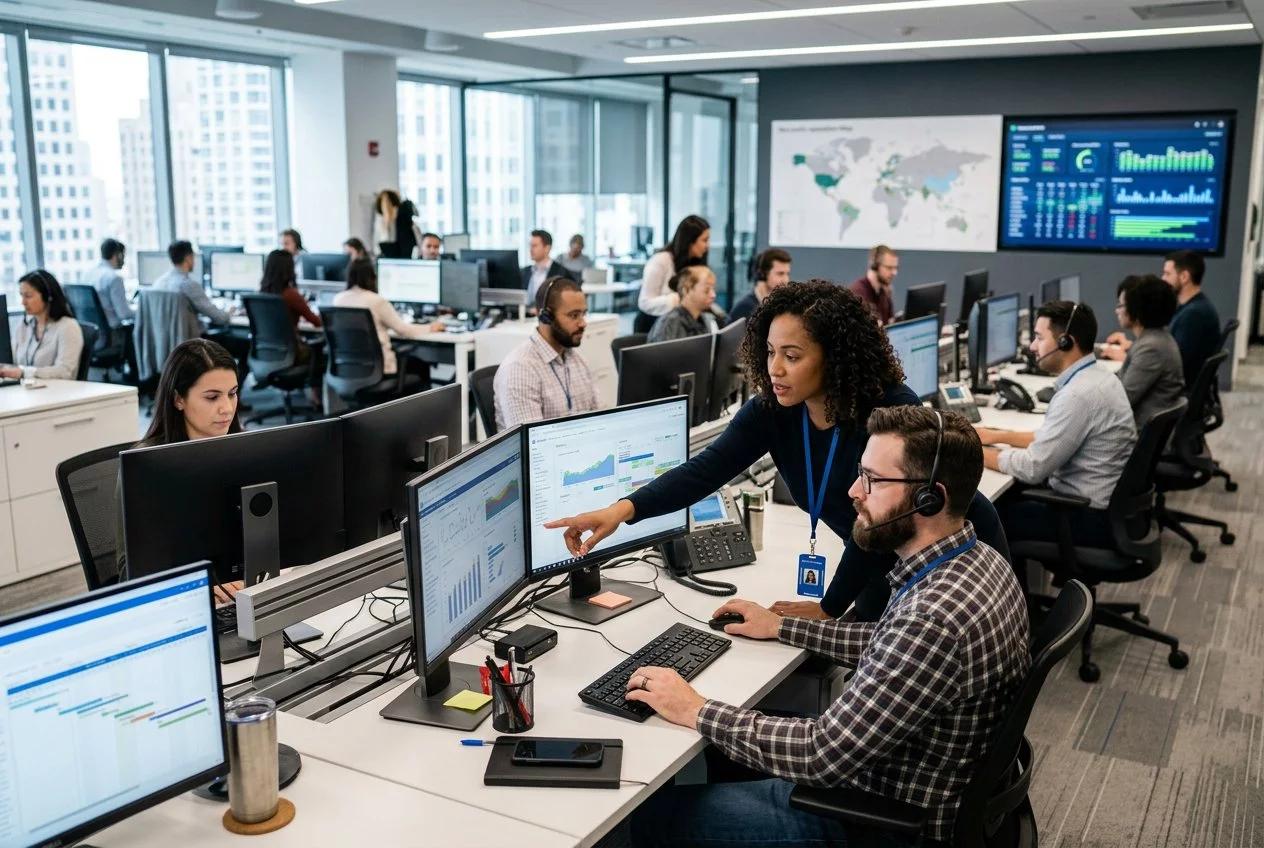

Modern workforce management has become an essential part of building organized, efficient, and adaptable workplaces. Organizations increasingly rely on structured scheduling, digital coordination, and standardized administrative processes to support daily operations and improve collaboration across departments. As part of this ongoing development, many businesses review compatibility with paycor while exploring modern workforce solutions that simplify employee scheduling, strengthen communication, and improve workforce organization. These strategies help create flexible work environments where managers and employees can coordinate responsibilities more effectively while maintaining consistency throughout everyday operations.
Understanding Workforce Management
Workforce management is a comprehensive approach to organizing employees, planning schedules, coordinating daily responsibilities, and maintaining accurate operational records. It combines workforce planning, shift management, attendance coordination, communication, documentation, and administrative processes into one connected system.
Rather than managing each activity independently, modern organizations build integrated workflows that allow information to move efficiently between managers, supervisors, human resources teams, and employees.
This structured approach supports smoother operations while helping organizations adapt to changing workplace requirements without disrupting established procedures.
Strategic Workforce Planning
Successful workforce management begins with careful planning.
Organizations first evaluate staffing requirements, operational priorities, department responsibilities, and workforce availability before creating schedules. This planning helps ensure that each team has the appropriate level of support throughout different working periods.
Strategic planning also includes preparing for seasonal changes, employee absences, organizational growth, and evolving operational demands.
By planning ahead, organizations reduce scheduling conflicts and create more balanced workloads for employees and managers alike.
Digital Transformation of Workforce Operations
Digital technology has significantly changed the way organizations manage workforce operations.
Traditional paper schedules and manual coordination are increasingly being replaced by digital systems that organize employee availability, shift assignments, attendance records, and operational updates within centralized environments.
Digital processes improve visibility because authorized personnel can quickly review current schedules, update assignments, and monitor workforce activity from a single organized location.
This digital transformation also simplifies document management while reducing repetitive administrative work.
As organizations continue modernizing their operations, digital workforce management becomes an important foundation for long-term organizational efficiency.
Organizing Employee Schedules
Well-organized scheduling remains one of the most important elements of workforce management.
Modern scheduling strategies consider employee availability, departmental requirements, workload distribution, operational priorities, and organizational objectives when preparing work schedules.
Managers benefit from structured scheduling processes that make it easier to adjust assignments whenever operational needs change.
Employees also appreciate clearly organized schedules because they understand their responsibilities, planned working periods, and any approved scheduling changes.
Consistent scheduling supports both operational stability and better communication across teams.
Improving Shift Organization
Organizations that operate with rotating shifts or multiple working periods require effective coordination between employees and supervisors.
Modern shift management focuses on creating balanced schedules that support operational continuity while maintaining clear communication regarding assignments and transitions.
Clearly documented shift procedures help managers organize staffing changes more efficiently while reducing scheduling confusion.
Digital shift coordination also allows organizations to monitor adjustments, maintain historical scheduling records, and improve future planning.
Well-structured shift organization contributes to smoother daily operations across multiple departments.
Strengthening Employee Coordination
Effective workforce management depends on coordinated teamwork.
Modern strategies encourage stronger communication between managers, supervisors, and employees through shared scheduling information, standardized workflows, and organized administrative procedures.
Employees remain informed about schedule updates, operational priorities, and workplace responsibilities through centralized communication methods.
Managers gain greater visibility into workforce availability, making it easier to coordinate teams and respond to changing operational requirements.
Improved coordination reduces misunderstandings while supporting more consistent workplace collaboration.
Standardizing Internal Workflows
Consistency is one of the strongest foundations of successful workforce management.
Organizations increasingly develop standardized procedures for scheduling, attendance coordination, leave requests, shift changes, workforce updates, and administrative approvals.
Documented workflows ensure that similar situations are handled consistently across departments regardless of who manages the process.
Standardization also supports employee training by providing practical guidance for supervisors responsible for scheduling and workforce coordination.
Routine workflow evaluations allow organizations to improve procedures while preserving successful operational practices.
Maintaining Accurate Workforce Information
Reliable workforce information supports effective operational planning.
Organizations regularly update employee availability, department assignments, shift history, attendance records, approved requests, and workplace responsibilities to maintain accurate operational records.
Centralized workforce information allows managers to make scheduling decisions using current data while improving communication between departments.
Routine record reviews also help identify outdated information before it affects scheduling or workforce coordination.
Accurate information contributes to more organized daily operations across the organization.
Encouraging Collaboration Across Departments
Workforce management extends beyond scheduling alone.
Managers, department supervisors, human resources professionals, operational teams, and administrative staff all contribute information that supports workforce planning.
Modern workforce strategies encourage collaboration through shared documentation, standardized communication methods, and clearly assigned responsibilities.
When departments exchange information using organized workflows, scheduling activities become more efficient while reducing unnecessary duplication of administrative work.
Strong collaboration also supports smoother transitions during organizational changes or staffing adjustments.
Supporting Organizational Flexibility
Organizations continue evolving as workforce requirements change over time.
Modern workforce management strategies emphasize flexibility by creating scalable scheduling systems capable of adapting to organizational growth, changing staffing levels, and new operational priorities.
Instead of redesigning scheduling procedures whenever requirements change, organizations can expand existing workflows while maintaining familiar administrative practices.
Flexible workforce management supports long-term operational continuity without introducing unnecessary complexity.
Continuous Improvement Through Evaluation
Effective workforce management is based on continuous improvement.
Organizations regularly review scheduling practices, communication methods, shift organization, documentation quality, and workforce coordination to identify opportunities for refinement.
Employee feedback often provides valuable insight because staff members experience scheduling procedures during everyday operations.
Small improvements implemented consistently over time frequently produce meaningful organizational benefits while preserving successful practices already in place.
Continuous evaluation helps workforce management remain responsive to changing workplace needs.
Looking Ahead
Modern workforce management strategies continue to evolve through digital transformation, organized scheduling, structured shift planning, standardized workflows, and stronger collaboration between managers and employees. These approaches help organizations create workplaces that are more coordinated, adaptable, and efficient while supporting clear communication and reliable daily operations.
As workplace expectations continue changing, organizations that invest in thoughtful workforce planning, digital process management, effective employee coordination, and practical scheduling strategies will be well prepared to maintain organized operations and adapt to future workforce requirements. By emphasizing consistency, flexibility, and continuous improvement, workforce management becomes an important foundation for sustainable organizational success and productive team collaboration.