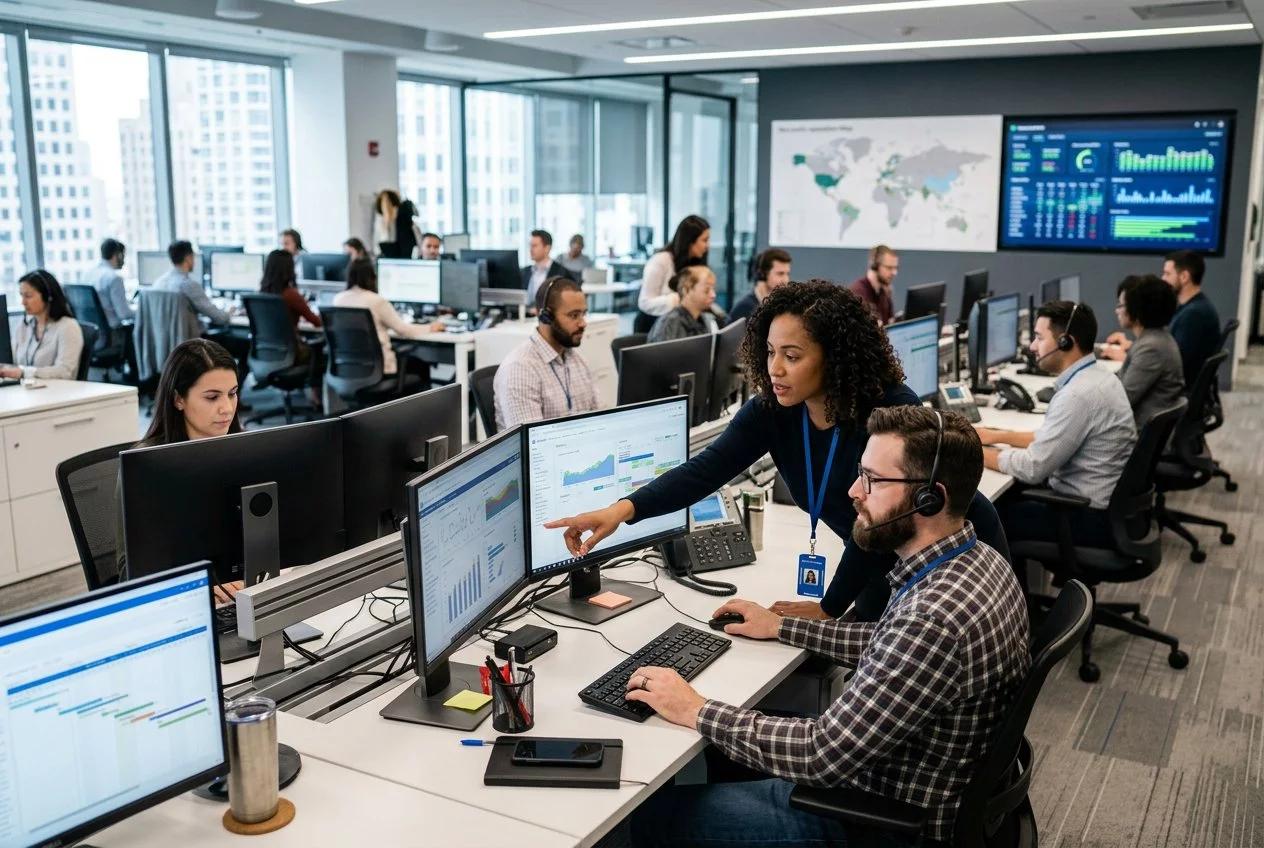

Workforce management continues to evolve as organizations adopt modern approaches to planning, scheduling, employee coordination, and operational administration. Businesses are increasingly using digital technologies to organize work shifts, improve collaboration, and simplify routine workforce activities. As part of this transformation, many organizations review compatibility with paycor while implementing modern workforce solutions that support structured scheduling, digital workforce administration, and more efficient internal operations. These developments reflect a broader movement toward connected systems that improve communication, strengthen planning, and create more adaptable workplaces.
The Evolution of Workforce Management
Workforce management has become much more than preparing employee schedules. It now represents a comprehensive strategy for coordinating staffing, organizing operational activities, maintaining workforce records, and supporting communication across multiple departments.
Modern organizations recognize that effective workforce management depends on structured processes rather than isolated scheduling activities. Workforce planning, attendance coordination, shift organization, employee availability, and administrative documentation all work together within an integrated framework.
This broader approach allows organizations to respond more effectively to changing operational requirements while maintaining consistency throughout everyday activities.
Cloud-Based Workforce Solutions
One of the most important trends in workforce management is the growing use of cloud-based technology.
Cloud environments allow managers and authorized personnel to access scheduling information, workforce records, attendance data, and operational documentation from centralized locations. This improves collaboration between departments while reducing reliance on disconnected local files.
Centralized access also helps maintain consistency because everyone works with current information instead of multiple independent document versions.
Organizations benefit from greater flexibility when workforce information remains available wherever operational responsibilities require authorized access.
Cloud-based workforce management also supports long-term scalability as organizational requirements continue to evolve.
Digital Shift Planning
Traditional paper schedules have gradually been replaced by digital planning systems that improve organization and visibility.
Digital shift planning allows managers to create schedules, monitor staffing levels, adjust assignments, and coordinate employee availability using centralized administrative tools.
Employees benefit from clearer communication because schedule updates become easier to distribute and review.
Digital planning also simplifies record management by maintaining organized scheduling histories that support future operational planning and ongoing workforce coordination.
As organizations continue modernizing their operations, digital scheduling has become an essential component of effective workforce management.
Schedule Automation
Automation is changing the way organizations manage recurring scheduling activities.
Routine administrative responsibilities such as recurring shift assignments, leave coordination, schedule updates, approval routing, reminders, and notifications can follow predefined workflows that reduce repetitive manual work.
Automated scheduling improves consistency because recurring activities are completed according to established organizational procedures.
Managers spend less time performing repetitive administrative tasks and more time coordinating teams, responding to operational priorities, and supporting employees.
Organizations often introduce automation gradually to ensure smooth adoption while preserving familiar scheduling practices.
Workforce Analytics
Another important trend involves the growing use of workforce analytics.
Organizations increasingly analyze workforce information to better understand scheduling patterns, staffing requirements, attendance trends, shift utilization, and operational workflows.
Reviewing structured workforce data helps managers identify opportunities to improve scheduling efficiency and organizational coordination over time.
Analytics also support long-term planning by providing greater visibility into workforce activities and operational performance.
Rather than relying solely on assumptions, organizations can evaluate existing practices using organized operational information that supports practical decision-making.
Enterprise System Integration
Modern workforce management increasingly depends on integration between workforce administration and other organizational systems.
Scheduling activities frequently interact with human resources administration, attendance management, workforce planning, operational reporting, onboarding activities, and employee records.
Integrated systems allow information to move more efficiently between departments through shared workflows and standardized documentation.
Reducing duplicate data entry improves consistency while simplifying communication between managers, supervisors, administrative teams, and operational departments.
Integrated environments also strengthen organizational coordination by connecting related administrative processes.
Modern Workforce Management Tools
Today's workforce management relies on practical digital tools that simplify daily operational activities.
Organizations use scheduling applications, attendance management systems, workforce dashboards, employee communication tools, digital document repositories, approval workflows, and operational reporting resources to support everyday workforce coordination.
These tools improve visibility into workforce activities while helping managers organize staffing requirements more efficiently.
Employees also benefit from improved access to schedules, workplace updates, and administrative information through structured communication channels.
Modern workforce tools encourage greater collaboration while supporting organized operational workflows.
Improving Employee Coordination
Effective workforce management depends on strong coordination between employees, supervisors, and managers.
Modern workforce strategies emphasize standardized communication, shared scheduling information, and clearly assigned responsibilities throughout daily operations.
Employees remain informed about schedule changes, shift assignments, operational updates, and workplace expectations through centralized communication methods.
Managers gain better visibility into workforce availability, allowing them to coordinate staffing adjustments more efficiently whenever operational priorities change.
Improved coordination supports smoother teamwork while reducing unnecessary scheduling confusion.
Standardizing Workforce Processes
Organizations increasingly recognize the importance of standardized workforce procedures.
Documented workflows guide recurring administrative activities including schedule preparation, attendance updates, leave requests, shift adjustments, approvals, workforce reporting, and record maintenance.
Standardization ensures that similar situations follow consistent procedures regardless of department or supervisor.
Clearly documented processes also simplify training because new managers can follow established operational guidelines from the beginning.
Routine workflow reviews encourage gradual improvement while preserving successful scheduling practices already in place.
Preparing for Future Workforce Needs
Workforce management must remain flexible as organizations continue growing and adapting to changing operational requirements.
Modern workforce strategies emphasize scalable scheduling processes capable of supporting larger teams, additional departments, changing staffing requirements, and evolving workplace priorities.
Flexible workforce management allows organizations to expand existing administrative workflows instead of replacing them whenever operational complexity increases.
Planning for future workforce needs also strengthens long-term organizational continuity while supporting sustainable operational development.
Looking Ahead
Key trends in workforce management continue to shape the future of organizational operations through cloud-based solutions, digital shift planning, schedule automation, workforce analytics, enterprise system integration, and modern workforce management tools. Together, these developments create more organized, connected, and adaptable workplaces where managers and employees can coordinate activities with greater consistency and efficiency.
As organizations continue modernizing workforce administration, investing in digital scheduling, standardized workflows, integrated systems, and collaborative communication will help strengthen daily operations while supporting future organizational growth. By combining thoughtful planning with practical technology and continuous process improvement, workforce management remains a vital component of efficient, well-organized, and sustainable workplace operations.